Film Room: Tobiáš Trejbal's well-rounded tools could make him an NHL starter

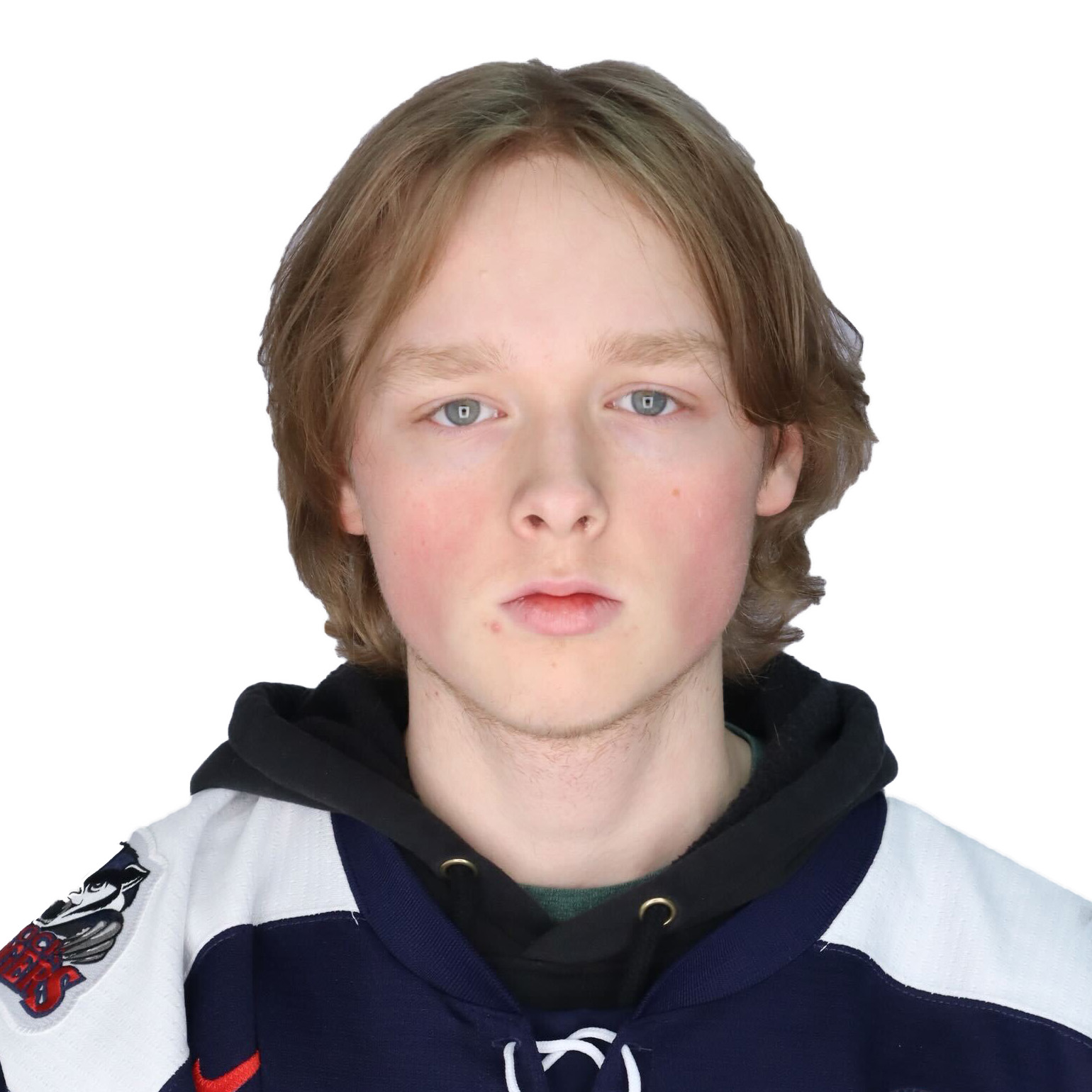

In a draft year filled to the brim with goaltending talent coming out of Czechia, Tobiáš Trejbal has solidified himself as the star prospect of the group.
Following in the footsteps of fellow Czech netminder Michael Hrabal, Trejbal crossed the Atlantic for his draft year, stepping into the USHL. Trejbal had a meteoric rise in the Czech junior ranks, improving his save percentage by nearly 4% while moving from the Under-17 to the Under-20 level with Litvínov.
Going from a 16-year-old Czech under-17 goaltender with no international experience for his nation, to a 17-year-old who was selected for the prestigious World Under-18 Championships along with a sniff of pro hockey in the Czech Republic’s top division, Trejbal has taken the goaltending world by storm over the past 3 seasons.
Trejbal’s draft year season in the USHL was nothing short of spectacular, immediately securing the starting role with the Youngstown Phantoms and posting a 0.916 SV% to the tune of being named the USHL goaltender of the year.
Throughout this season, Trejbal has lingered near the top of our list, with some scouts ranking him as the top goaltender at multiple points. Trejbal looks to be a surefire top-64 pick, with a chance of being drafted in the first round due to his pure goaltending ability and late-bloomer profile.
Without further ado, let’s take a deeper dive into what has made Trejbal so successful and allowed him to propel to the top of draft lists.
Poise, positioning & post integration
A big reason for Trejbal’s instant success in the USHL is the range of tools he brings to the crease. He isn’t relying on one standalone skill to make saves. His game is built on a strong, well-rounded base. Many of his best traits show up on a night-in and night-out basis, making them a habit rather than occasional showings. That reliability, combined with his versatility, makes him an appealing prospect for this year’s NHL draft.
If there’s one trait that stands out most in Trejbal’s game, it’s his poise. Whether he’s facing a breakaway, handling plays in tight, or tracking the puck along the perimeter, he stays calm and controlled. That composure not only gives confidence to his defenders but also makes it harder for shooters to break his routine. Trejbal has a way of making difficult saves look easy. His patience in his stance is a key part of this, holding his edges as long as possible and avoiding committing too early, particularly on breakaway chances. In the butterfly, he moves with quick pushes to track the puck and keeps his hands set for any rising shot from close range.
When it comes to positioning, Trejbal is among the strongest in this year’s class. He does a good job of staying square to shooters, keeping himself centred, and maintaining solid angles. What really separates him is his awareness. On the penalty kill, he plays slightly deeper in his crease, which helps him move more efficiently as the puck shifts. At the same time, he recognizes when to challenge, using controlled c-cuts to take away space and reduce the shooter’s angle. This balance between patience and aggression, combined with his poise, makes him very difficult to beat cleanly from most areas on the ice.
With the rise of the RVH and overlap techniques along the post, some goalies have trouble moving into these tough body positions with ease. That is not the case for Trejbal. He has the flexibility to drop into his RVH quickly and without creating too big a hole, as well as the awareness of when to opt for his overlap and keep his feet.
Along with being able to move into his post positions, Trejbal is arguably even better when it comes to moving out of his posts. Trejbal gets impressive power from his anchored leg, which allows him to pop straight back into his stance and contest plays that develop from below the goal line. Movement between the posts is also seamless for Trejbal, using his wide butterfly and length to transition from one side to another while maintaining his eyes on the puck and a toe seal.
Areas for improvement
As with all goaltending prospects, there are still some rough spots for Trejbal that need to be talked about. While Trejbal boasts an all-around skillset for goaltending, there are some lurking habits that goalie coaches must focus on for him to truly unlock his full potential.
It’s not uncommon for bigger goalies to tend to drop their hands when going into the butterfly, but Trejbal seems to have more trouble with it than his peers. This error is largely due to the habit of wanting to cover as much net as possible when in the butterfly, but it results in goalies having to fight gravity to bring their hands back up when making saves with the glove and blocker.
The more underlying issue with Trejbal dropping his hands, though, is his blocker hand being significantly worse than his glove side. According to InStat Hockey, Trejbal’s glove-side SV% over the course of this season was 86.5%. On the blocker hand, however, we see a drop to 81.4%.
This ties back into the issue of dropping his hands, as the side carrying the stick has more weight to bring up and combat these shots going high. Trejbal should work on eliminating this habit when going into his save process, opting instead to keep his hands square and projected when dropping into the butterfly.
Another part of Trejbal’s game that I was a bit disappointed by was his anticipation. While there have been improvements made to his vision checking habits and pre-pass preparation, Trejbal has a lot of situations where he drops into the butterfly slide by nature. When he goes into these preemptive slides, Trejbal is taking away his ability to maintain an anchored and set stance by sliding through the ideal position and giving way to patient shooters who held on that extra couple of milliseconds.
Trejbal isn’t a bad mover by any means, so I don’t think there should be any issue regarding his ability to get to these locations with a classic T-push or wide shuffle to keep his feet and, in the end, be more prepared for when the shot comes.
Another lingering problem I found with Trejbal’s anticipation was his ability to predict where the play was headed. Trejbal seems to be very reactive, following the puck as it moves across the ice, and it results in late arrivals to these new locations. Quick one-timers and one-touch passing plays end up leaving Trejbal behind and the net wide open for shooters far too often, and you can see it throughout the tape below.
And finally, we’re left with the five-hole. Goalies despise it; the shot is unpredictable, and it is one of the worst-feeling goals to allow during a game. The situation for Trejbal is surely no different. The biggest thing I noticed with Trejbal, and why he seemed to let in more five-hole tries than any other top-end goaltender this draft class, can be tied back to the hands dropping.
When a goalie drops his blocker hand to align with his pad, the stick pokes out away from the five-hole, leaving them vulnerable to a quick tuck from shooters right as the goaltender begins moving. In the clips below, there are a few occasions we can see this bite Trejbal. It’s not an easy fix by any means, as habits build over time, but Trejbal maintaining his hand projection would surely be a starting point for solving this case.
The other step for figuring out his five-hole is dropping both knees at the same time into the butterfly. Trejbal tends to drop his lead leg first while going into saves, and it leaves just a little bit more room for a shooter to beat him cleanly between the wickets.
Next steps
Goalie development typically takes longer than skaters, and so there are more favourable paths to take with the current NHL CBA. Trejbal, who holds a commitment to UMass in the NCAA, seems to have chosen a good path. His decision to play NCAA hockey lines up well with goaltending development, as it allows him more time to become pro-ready before a team must sign him to retain his rights.
UMass has produced a couple of goaltending talents in recent years, most notably the aforementioned former second-round pick Hrabal. UMass is a good landing spot for two main reasons: first, Hockey East is a highly competitive and skilled division of college hockey with plenty of players turning pro year in and year out, and second, he has the opportunity to be the starter as soon as he arrives. Playing in that environment and playing nearly every night will help Trejbal adapt to higher levels quicker and prepare him to sign an entry-level contract as soon as his team seems fit.
With continued development of Trejbal’s already astounding profile and continuing to work on his save process habits, it’s easy to see why NHL teams could value Trejbal as a first-round pick. Boasting all of the necessary intangibles to find success as a starter in the NHL, all Trejbal needs is a well-mapped-out development plan from the team that drafts him to reach that level.