Film Room: Why Carter Casey may be the draft class' most dynamic athlete

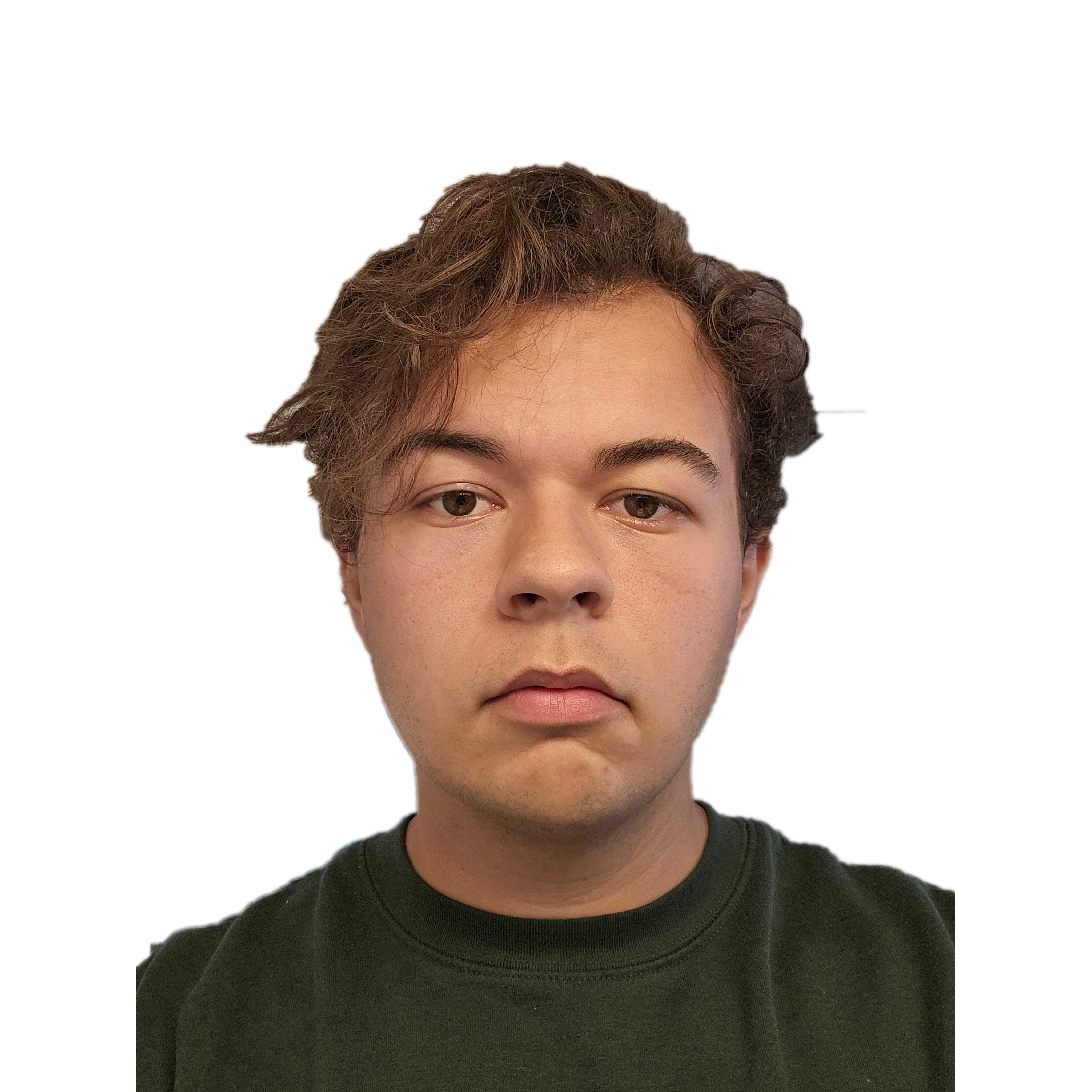

If you saw Carter Casey in his one period against Team Germany at the 2024 Hlinka Gretzky Cup, you would have thought nothing much of it. He let in three goals on 10 shots, with passable mobility, and looked stunned by every shot against.
Nearly eight months later, he’d make his USHL debut, shutting out the Omaha Lancers, and if you hadn’t followed him between those two games, you’d be right to assume he was a different goaltender entirely. He was able to match the speed of the league not only with his feet but with his eyes as well.
That win would be the start of a tremendous run, where he’d steal the starting gig in Waterloo and help carry them to the Clark Cup Final — all in his draft-minus-one.
Much like Tynan Lawrence, who stood on the opposing, winning side of that year’s USHL finals, Casey’s impressive postseason in his draft-minus-one campaign left a lasting impression on our scouts.
Both players also suffered similar fates when moving levels in 2025-26, with Casey struggling to adapt to the WHL level, finishing with an .882 save percentage through 28 games — 38th among goaltenders who played in at least 10 games.
Despite the statistical lull, our projections for Casey remain high, comparing him stylistically to Jonathan Quick for his tendency to get low and scramble, driven by his high-end athleticism and competitiveness.
Skating
Casey is not the first Medicine Hat Tigers goaltender in recent memory to adopt this similar style, with the first being Washington Capitals prospect Garin Bjorklund in his draft year. However, where Casey separates himself is in his skating ability.
While Bjorklund was an above-average skater in his draft year, Casey’s ability is truly separating.
Casey has immense power in his legs, which he can harness by adopting a narrow stance when facing pressure from afar. This gives him great access to his edges and strong leverage to propel himself laterally on pushes across the crease.
When facing danger up close, Casey will widen his stance, flaring out his legs and getting deep into his hips. For most, this position would be completely compromising, as many goalies struggle to find their edges to even rotate, let alone get a push off. However, Casey isn’t like most goalies and can adjust himself from this position on the fly.
Casey has strong control of his depth, tending to play at the top of the crease, but able to retract deeper with both slow and explosive C-cuts.
His skating chops also lend themselves well to being an effective mover in and around his posts. He pivots and explodes onto his post, locking himself into the RVH with immense ease. From that position, he’s able to propel from his posts, moving side-to-side with ease and structure, or using it to drive forward to challenge.
Compete and athleticism
While that strong skating base will get him looks, it’s Casey's athletic base and compete that will earn him the attention of scouts and fans alike.
His athletic profile is, frankly, unmatched by any legitimate prospect in this class. He boasts tremendous power and the ability to extend deep into his hips as well as find and maintain exceptional width, both while on his feet and when forced into a split.
When most goalies try to enter the splits, their back leg will tend to recoil backward, or they’ll spring upward. Casey has zero give and full control from the position. Further, he quickly retracts his limbs, recovers from these gruesome positions, and returns to a set stance.
Casey tends to play with a balls-to-the-wall approach to most saves, giving his all. This translates into exaggerated limb movements, resulting in strong directional rebounds toward the perimeter.
His compete level grants him the ability, with his skating and athleticism, to keep his team in the game even if he seems out of the play.
Processing and cognition signs
Casey’s mental game has been a point of incongruence this season, with mental lapses standing in the way of translating his dynamism into on-ice performance. His tracking and play reading have been two areas affected by inconsistency in his process.
However, at his best, Casey has shown that these areas can be strengths.
When focused, Casey has shown strong puck-tracking habits, demonstrating an aptitude for locking onto pucks through their trajectories and following the resulting rebounds to best prepare and adjust back into a ready stance.
His shot-by-shot consistency in his tracking is no doubt a concern, but it's also something that some of the top goalie prospects in hockey, including Montreal Canadiens netminder Jacob Fowler and Detroit Red Wings blue-chip Trey Augustine, have struggled with on their paths upward. Both of these goaltenders, too, have shown a strong process for tracking and, as a result, have seen continued growth in that area as they’ve moved up levels.
These habits have also lent themselves to strong rebound control from his extremities. When he does latch onto pucks with his eyes, he’ll make an effort to direct pucks away with his blocker hand or even kicks.
The aforementioned control of his lower limbs and his ability to extend allow his legs to act like pinball flippers, flinging rebounds to the corners with exceptional ease.
Even when forced to punch at pucks, he’s still often able to punch with enough power that the puck lands nearer to the blueline, giving him that split second longer to ready himself once more.
Casey’s also shown that, despite a tendency to play reactively and rely on his reflexes, he can break down the game with scans and turn them into smart reads.
While he can be quite erratic, biting on movements, he has shown strong composure in his resilience against goals. His form and confidence don’t seem to wear down as he faces a heavy workload or gets scored on, bringing the same intensity and commitment to the stop with each passing save.
All of these aspects bode well for a workable base to project into pros with continued reps.
Areas for improvement
One of Casey’s biggest areas for improvement is the area that Casey differentiates most from his Jonathan Quick comparable — his hand placement.
When Quick played in that signature low stance, his hands and legs also flared out wider. His blocker hand would rest on top of the side of his pad, while his glove would flare similarly. This allowed him to maximize his coverage, giving him a greater range to quickly extend his hands while also preventing any holes beneath the armpits. All the while, his blocker’s placement helped cover his five-hole with his stick.
Casey, on the other hand, takes a compact stance with narrow leg placement and tight hands, draping his blocker over his pad. As mentioned beforehand, the narrow legs aren’t much of an issue, as they allow him even greater leverage to explode out laterally with pushes, and he has the flexibility to get wide, whether in his butterfly or in a deep extension.
This double coverage of his blocker is a problem, as it not only limits his range to make the save on that blocker's side but also puts him off-centre. The low blocker placement also affects his stick, which often only partially covers his five-hole and occasionally covers nothing.
To get to that placement, Casey flares his elbows out, chicken-winging his glove, which further limits his mobility. It’s clear he knows this is an issue, as he’ll overcompensate with larger movements, whether exploding his hands out without control, which in turn makes him susceptible to changes in direction or to shots in tight where the hands used to be, or worse, sliding into otherwise standard saves.
Additionally, he’ll tend to flare his chest up instead of down. This causes pucks to rebound off his torso back into the slot away instead of in front of him or where he’d be able to swallow them.
This is very similar to how Bjorklund played in his draft year with Medicine Hat. While it’s difficult to compare their trajectories, as he dealt with two herniated discs as he moved up to pro hockey, Bjorklund was forced to adopt a more upright stance.
At the very least, Casey should look to draw inspiration from Quick by loosening and lowering his elbows while holding his hands wider to create a larger frame and extra range. Otherwise, a higher stance may also be for the best, limiting the number of shots by the ears and enlarging his frame.
Luckily, stances are an area that can be fixed relatively quickly, so in a way, the fact that this is such a glaring issue is good, given how workable it is. However, there’s also something to be said about how it hasn’t been fixed despite how glaring the weakness is and how long it’s been an issue.
His hands are also affected by his tendency to flinch when facing shots up high. This prevents him from tracking shots effectively up high, an area already made weaker by his tendency to play lower and wider.
This is reflexive, so it’d likely take a lot more time to work out of his game, but again, with given drills, this is an area he could improve upon rather quickly and should translate to stronger tracking, given his tendency to follow through on shots with his eyes.
What could prove to be a serious concern is his tendency to over-rely on his reflexes.
Casey has shown the ability to physically beat pucks and plays, but is often halted by his lack of mental process.
When he’s on his game mentally, he’ll incorporate scans into his process and, as a result, make smart decisions and take short routes. However, he’ll often neglect the use of scans to process that information, either when facing two-on-ones or on the cycle.
This leads him to make blind guesses, often causing him to make blind routes to passes and overcommit to them with slides. He’ll also find himself in such a rush that he drags his stick on the ice behind him when sliding, providing counter-movement and stifling his otherwise higher-end explosiveness.
Some goalies can rely on their background processing, seemingly building a mental map of the play off of their peripheral vision. Casey isn’t as fortunate in this regard. For him, getting those scans in more frequently in those situations will allow him to better evaluate the most likely progression of the play and improve his routes to better tackle it.
With more shot-by-shot consistency in his process, alongside improved tracking and stance, there’s good reason to believe in an upward trajectory.
Projection
As a whole, Casey’s profile is one of the draft’s most boom-or-bust prospects between the pipes. The upside is absolutely tantalizing, as he boasts the high-end physical tools and sheer doggedness to make ridiculous saves and keep his team in games. On the other hand, there’s a lot to work on in cleaning up his process, whether it’s by scanning more, fixing his stance, or becoming less overactive.
The big question is: will teams lean towards that upside and give him the resources necessary to reach his apex? Or is there just too much work to be done across many different areas that teams will opt for more polished, certain bets, even if there’s less physical upside?
These are the discussions scouts, goalie coaches, and general managers have and will have as we inch closer to draft day around Casey.
Last season, those same questions were attributed to a similarly unorthodox, high-end skating and athletic goaltender with questionable hands, tracking, and process blips who struggled after a move to higher competition: Roberto Henriquez, whose impressive draft-plus-one journey was covered in our goalie scout Liam Crouse's wonderful Film Room here.
A draft-plus-one bump similar to Henriquez's would not be unreasonable with Casey.
We understand Casey is likely to fall below our current ranking at 68th overall due to those concerns. However, given his high-end tools and the specific areas he needs to improve, we're willing to take the risk of ranking him inside our top 70.
Should he put it all together, Casey’s ceiling would fit among the best goalies the NHL has to offer.