Hockey Penalties: Every Call in the NHL, Explained
Image: Bildbyrån
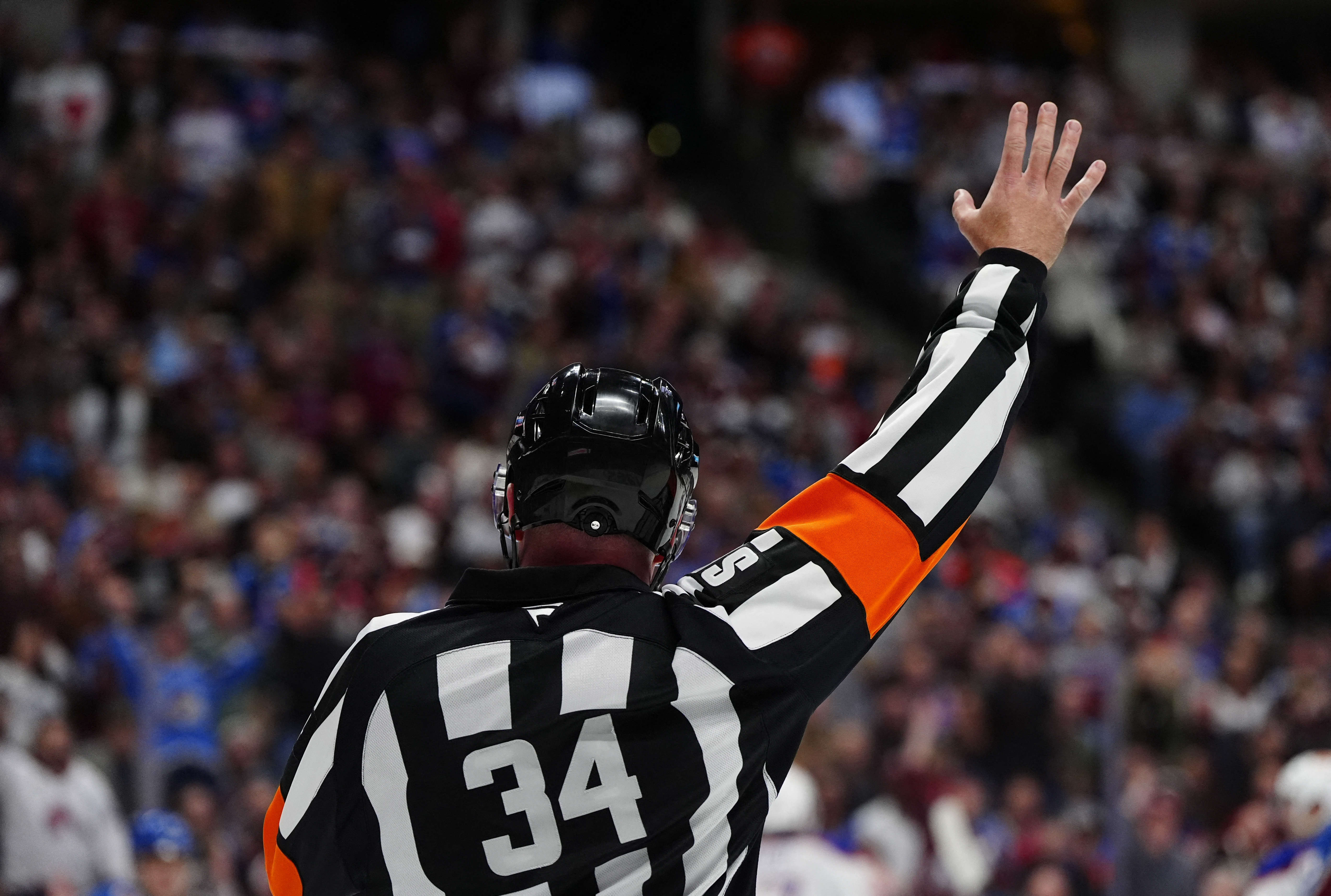
The rulebook is dense. The calls happen fast. And the difference between a clean play and two minutes in the box can come down to inches, intent, or the angle of a referee standing 20 feet away.
Understanding penalties in hockey is fundamental, whether you are watching your first game or your five hundredth. They dictate pace. They determine power plays. They swing series. This is the complete breakdown: every penalty type, how it works, what it costs, and what the numbers tell us about how the game has changed.
How NHL Penalties Work
Every penalty results in one of two outcomes: a player leaves the ice, or the penalized team loses a skater. The severity of the infraction determines which type of penalty is assessed and for how long.
Power play opportunities are the most direct consequence. When a team takes a minor, the opposition gains a man advantage until either the clock runs out or they score. The clock does not stop for a goal during a major penalty, making sustained five-minute advantages among the most punishing situations in the sport.
NHL referees operate under a two-official system, with two linesmen handling offsides, icing, and face-offs. Referees carry the primary responsibility for calling penalties, though linesmen can report misconduct and flag dangerous behavior between whistles.
Since the 2019-20 season, referees are required to use on-ice video review for all major non-fighting penalties, either confirming the call or reducing it to a minor. It is an important check, particularly on borderline boarding and charging situations where the initial real-time read is imperfect.
Minor Penalties: Two Minutes, Potential Power Play
Minor penalties are the most common infractions in hockey. The penalized player sits for two minutes, and if the opposing team scores during that time, the player is released early. Two minors assessed to the same player at the same time become a double minor: four minutes in the box, with the same early-release rule applying after each goal.
Tripping
Any action using a stick, knee, foot, arm, hand, or elbow to cause an opponent to fall. The most routine call in hockey, and one where the intent matters far less than the result.
Hooking
Using the stick to impede the progress of an opponent, typically by applying the blade or shaft to their body or stick. Post-lockout enforcement of this call fundamentally changed the speed of the game.
High-Sticking
Carrying the stick above shoulder height in a way that causes contact. If the contact results in injury or blood, it escalates to a double minor regardless of intent. The rule does not care whether the contact was accidental.
Boarding
Violently checking an opponent into the boards. The line between a legal board and a penalty comes down to force, angle, and the vulnerability of the opponent at the moment of contact. It escalates to a major when injury results.
The Remaining Minor Penalties
Holding: Using a hand or arm to grab and restrain an opponent. Often called in the neutral zone when a defender cannot maintain pace with an opposing skater.
Interference: Impeding a player who does not have possession of the puck. Also applies to deliberately knocking the puck out of the air with a glove in the offensive zone, and to obstructing a goaltender in the crease.
Cross-checking: Delivering a check with both hands on the stick, the shaft extended between them. Assessed as a minor or major depending on force and location of contact.
Slashing: A sharp blow with the stick against an opponent's body or stick. The distinction between a slash and an acceptable hockey play remains one of the sport's more contentious grey areas.
Roughing: Physical altercation that falls short of a fight. Usually assessed after scrums following whistles when a player takes an extra swing.
Elbowing: Delivering a check with the elbow as the primary point of contact. The threshold for this call versus incidental contact has tightened significantly under modern player safety standards.
Charging: Taking two or more strides before delivering a body check, or applying excessive speed or jumping regardless of stride count. Many open-ice hits that were considered clean a decade ago now carry charging risk, particularly at elevated speed.
Delay of Game: Covers a range of infractions including shooting the puck out of play from the defensive zone, deliberately displacing the net, and faceoff violations. Starting in 2024-25, coaches can challenge a puck-over-glass delay of game call via video review. A failed challenge results in an additional minor.
Too Many Men on the Ice: A bench minor assessed when a team has more skaters on the ice than permitted during play. The penalty is assessed to the bench, not to an individual.
Diving/Embellishment: A minor penalty, or a coincidental minor when the opponent is also penalized, assessed to a player who exaggerates or fabricates contact to draw a call.
Unsportsmanlike Conduct: A broad category covering verbal abuse of officials, obscene gestures, and various inappropriate behaviors. As of 2024-25, it also covers players sitting on the boards with their skates exposed during play, a safety measure introduced after a linesman was cut by a skate blade.
Double Minors: Four Minutes
A double minor is a pair of two-minute penalties served back to back. The most common scenario is a high-sticking infraction that draws blood. Each two-minute segment can be cut short by a power play goal, which is why teams that draw blood are often rewarded with some of the most dangerous extended man advantages in the game.
Major Penalties: Five Minutes, No Early Release
Major penalties carry a flat five minutes regardless of how many times the opposing team scores. The power play does not expire. That sustained advantage is why a major for boarding or spearing is so damaging, and why a coincidental fighting major, which cancels out on both sides, lands very differently in the standings than a unilateral major.
Fighting
Both players receive a major. If one player is judged to have instigated the fight, that player receives an additional minor and misconduct. A player who instigates a fight in the final five minutes of regulation or in overtime receives an automatic one-game suspension.
Checking from Behind
Pushing or checking an opponent from behind into the boards. Automatic major and game misconduct in most situations. One of the more commonly reviewed calls under the current video review system, particularly when the penalized player argues the opponent turned at the last moment.
Spearing
Poking an opponent with the tip of the stick blade in a jabbing motion. Always a major, often a game misconduct, and routinely reviewed by the Department of Player Safety for supplemental discipline regardless of injury outcome.
The Remaining Major Penalties
Butt-ending: Jabbing an opponent with the end of the stick handle. Like spearing, it almost always draws supplemental review regardless of whether an injury occurred.
Charging with injury: Charging assessed as a major when the opponent is injured on the play. The same two-stride read applies; the injury outcome is what elevates the call.
Cross-checking to the head: A cross-check that makes direct contact with the head or neck. Automatic major in most situations and a near-certain referral to Player Safety.
Misconduct and Game Misconduct Penalties
A misconduct penalty results in a ten-minute sit but does not create a power play. The player who committed the infraction serves the full ten minutes while a teammate serves any accompanying minor on the ice. Misconduct is most often tacked onto other penalties as additional punishment for behavior after the initial infraction.
A game misconduct is an ejection. The offending player is done for the night, and a teammate serves any associated time. Under NHL rules, a player who receives two misconduct penalties in a single game is automatically assessed a game misconduct. Any player dismissed twice for stick infractions, boarding, or checking from behind, or three times for any reason during the same regular season, receives an automatic one-game suspension.
Match Penalties: Ejection for Intent to Injure
A match penalty is the most severe on-ice sanction available to a referee. It requires a finding that a player deliberately attempted to injure an opponent. The player is ejected, a teammate serves five minutes shorthanded, and the case is automatically referred to the Department of Player Safety for supplemental discipline review. Outcomes range from a fine to a multi-game suspension depending on the nature of the act, the player's disciplinary history, and whether an injury occurred.
Penalty Shots
A penalty shot is awarded when a player is fouled from behind on a clear breakaway, eliminating what would have been a clean scoring chance. The shooter skates in alone against the goaltender. Penalty shots can also be awarded for covering the puck in the crease as a non-goaltender, deliberately displacing the net shorthanded in the final two minutes, or throwing a stick in the offensive zone to stop a puck or player.
How the Numbers Have Changed
The volume of penalties called in the NHL has fallen dramatically over the past two decades. It is one of the most significant structural shifts in the modern game, and one that many casual fans have not fully registered.
In 2005-06, the first season back after the lockout, the league averaged 5.85 power play opportunities per team per game, a spike driven by the league's aggressive crackdown on obstruction and hooking. That figure is now hovering around 2.7, among the lowest averages since the league began tracking the stat in the late 1970s. That is not a rounding error. It is a complete transformation.
Fighting has followed the same trajectory. The 2003-04 season saw 789 total fights league-wide. By 2014-15, that figure had dropped to 0.32 fights per game, a decline that has continued steadily since. The enforcer role has been phased out almost entirely, and with it, the major penalty volume that once padded player totals. A player with 200 penalty minutes in a season was not unusual in the 1990s. It is nearly unheard of today.
Yet the power plays that do get called have become significantly more dangerous. Conversion rates climbed to 22.42 percent in 2022-23, the highest in decades, and have remained elevated since. Fewer opportunities, but every one costs more.
Who Takes the Most Penalties
Among the most penalized players in the current NHL era, Nikita Zadorov and Brady Tkachuk consistently rank near the top of the penalty minutes leaderboard. In 2024-25, Zadorov led the NHL with 145 penalty minutes, while Tkachuk ranked fourth at 123. Both are physical players whose style depends on aggression, contact, and occasionally crossing the line. Their totals would have placed them in the middle of the pack in the enforcer era. Today, they sit at the very top.
On the supplemental discipline side, Ryan Hartman of the Minnesota Wild was one of the more prominent cases of 2024-25. According to NHL.com, he received a ten-game suspension in February after Player Safety found he had intentionally driven Tim Stutzle's head into the ice during a faceoff. Commissioner Bettman reduced the suspension to eight games on appeal. The case was representative of the broader trend: the league has tightened its standard on dangerous and deliberate acts, and the threshold for supplemental action has lowered meaningfully compared to even five years ago.
Supplemental Discipline: Beyond the Penalty Box
The Department of Player Safety handles discipline for incidents that may warrant punishment beyond the in-game call. Factors include the nature of the act, whether the opponent was in a vulnerable position, the injury outcome, and the offending player's history.
Repeat offenders face elevated suspension lengths. A player suspended within the prior 18 months is treated as a repeat offender under the Collective Bargaining Agreement, which alters how lost salary is calculated and signals that prior deterrence has not worked.
Explore Player Penalty Data
Elite Prospects tracks penalty minutes across every major professional and amateur league in the world. The full NHL statistics database, updated through the current season, lets you sort by total penalty minutes, penalty minutes per game, and major penalties across any league or season. Every player profile includes a complete career penalty breakdown, from junior hockey through the pros.