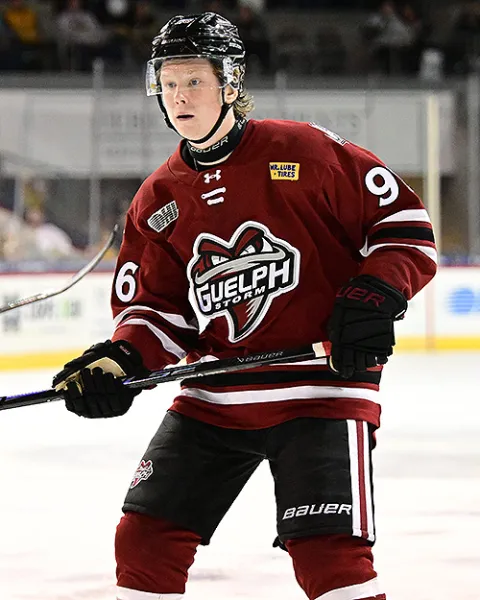

BirthdateJan 11, 2008
Age18 Years
ShootsRight
Height6'2.5"
Weight194 lbs
Range—
BirthdateJan 11, 2008
Age18 Years
ShootsRight
Height6'2.5"
Weight194 lbs
Range—
Unlock the full Draft Guide
Discover Premium
Welcome to Elite Prospects' 2026 NHL Draft Guide, your complete look at the next wave of NHL talent. Our scouts spent thousands of hours ranking and breaking down the class of 2026. New this year, Premium subscribers get the full guide on the site alongside the PDF. Filter, sort, and jump straight to live profiles, stats, and game logs, each backed by a full scouting report and grades.
This was a season of change at Elite Prospects.
With aspirations to expand beyond just the NHL Draft, we more than doubled the size of our scouting team.
That led to expanded coverage of NHL-affiliated prospects and NCAA free agents, as well as all-new coverage of the CHL Drafts, the USHL Phase I Draft, and U16 players across Europe. The all-new coverage doesn’t just make for high-quality content today, but will give us more context, information, and in-depth analysis than ever before for future Draft Guides.
It also allowed us to go deeper than ever before in the NHL Draft. We examined our processes, evaluation skills, and analysis on a deeper level than ever before, and made the necessary moves to enhance this product.
Two years ago, we added our game reports to player pages. Now, they feature in their own hub, outfitted with tons of filters to allow users to discover new players, with new reports added daily. That’s one of just several major new additions coming, too.
No one worked harder than Lauren Kelly, who took over the day-to-day management and editing of EP Stories while streamlining the process, giving everyone more time to watch hockey.
Janik Beichler, hired last summer, improved our scouting processes, led the charge on deeper coverage of Europe, helped build our goalie scouting department, and much more.
Speaking of, that goalie scouting department – Jacob Titus, David Phillips, Liam Crouse, Max Lee, and Sean Shapiro – made us all much smarter this season. Their exceptional work doubled the number of goalies in this guide, highlighting the top prospects like never before and showcasing some of the most intriguing players in this sport.
To our youth hockey scouting team: They delivered high-quality coverage all year, allowing the NHL Draft team to give this guide their full attention. A special thank you to Whittaker Heart and Hadi Kalakeche, both of whom went above and beyond when we needed it the most.
This draft guide wouldn’t be possible without the tireless work of all the scouts involved, including familiar faces such as David St-Louis, Lassi Alanen, Daniel Gee, Dylan Griffing, Jimmy Hamrin, Cam Robinson, Sebastian High, Honza Zoufal, Simon Desjardins, and Honza Zoufal, as well as new additions Robert Chalmers, Madison Delaval, and Matthew Burns, and all those mentioned above. Plus, J.D. Burke, whose vision set this in motion and whose mid-May return to work helped us reach the finish line.
The design of this draft guide, like every guide before it and much of the artwork seen on EP Stories, is the product of Hans Samera. He spends countless hours poring over every detail and dealing with our many, many last-second changes.
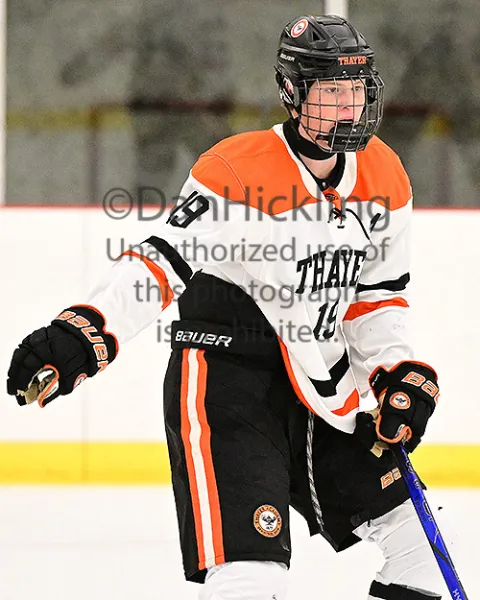
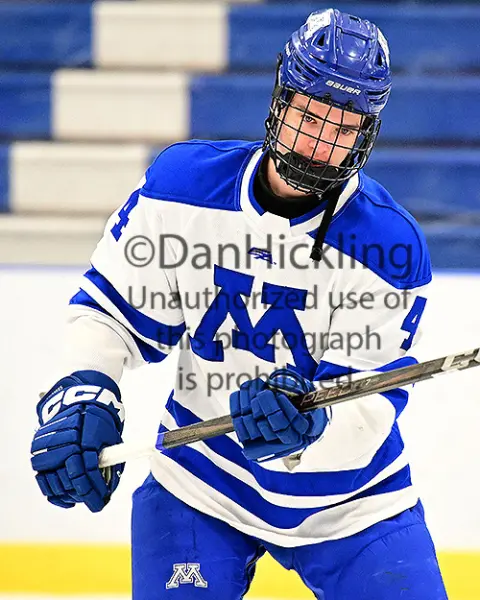
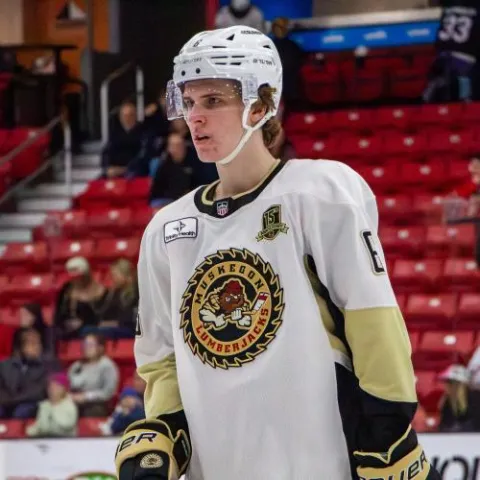
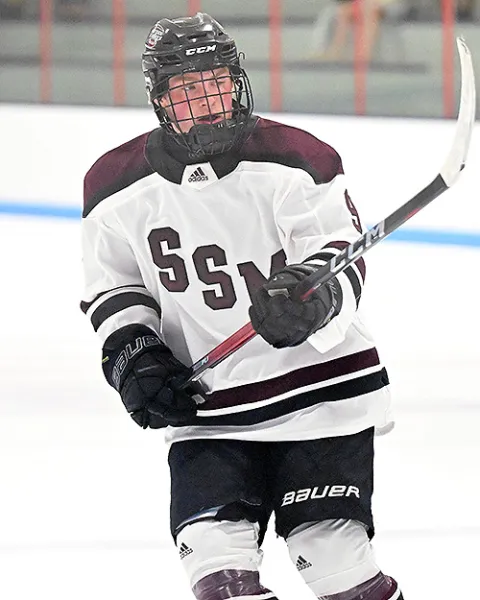
We would also like to acknowledge the support we receive from our partners at InStat Hockey/Hudl for providing the tools necessary to do our job. Another due of credit to Dan and Margaret Hickling for their tireless work providing us with photos for each draft guide.
To those at Elite Prospects HQ, including Peter Sibner, Hannes Andersson, Tobias Calminder, Emil Jonsson, and so many more, thank you for your support, passion, and leadership.
Finally, to the late Johan Nilsson: His vision, passion, and kindness left an indelible mark on Elite Prospects and the entire hockey world. He founded Elite Prospects in 1999, building it into the sport’s foremost stats website – and shaping it into so much more.

Mitchell Brown
Head of Scouting & Pro Content
Becoming our Head of Scouting & Pro Content this season, Mitchell Brown has been with Elite Prospects since 2019. Based out of Canmore, Alberta, he can be found climbing in the summer and shooting high, wide, and high and wide at many local outdoor rinks and frozen lakes in the winter. Possessing an equal amount of scouting and culinary skills, if he weren’t spending 12 hours a day tracking games from every major league in North America, he’d be running his own pizza place. He greatly misses writing articles for EP Stories.
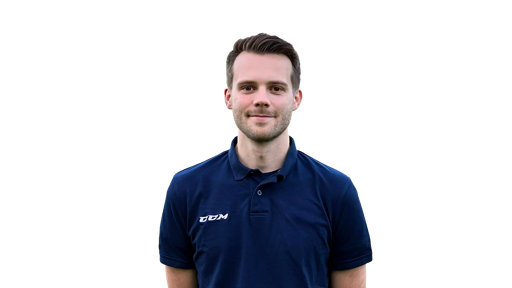
Janik Beichler
Director of European Scouting
Joining the Elite Prospects team as a co-Director of European Scouting this season, Spokane Chiefs’ European scout Janik Beichler fit seamlessly into our ranks. Watching an impressive amount of European youth hockey on top of NHL draft-eligible prospects and goaltenders, he filed game reports at record rates and helped us reach new heights of European scouting coverage across all age levels.

Lassi Alanen
Director of European Scouting
Our other co-Director of European Scouting, Lassi Alanen, continued to tirelessly watch games and gather tracking data on players all across Europe. Based in Jyväskylä, his work and insights on prospects – and hockey in general – also continue to appear in the biggest outlets in Finland. In the rare moments he’s not watching hockey, he can be found chasing birdies on a disc golf course or spinning his record collection.

David St-Louis
Lead Scout
Based out of Trois-Rivières, Quebec, David St-Louis is the Lead Scout for Elite Prospects. A machine who consumes games and produces content at record rates, he’s watched more hockey than probably everyone in your life combined, and that just accounts for this season’s work. In the rare instance that he’s not watching hockey, he’s writing an insane amount of articles and producing videos for the Elite Prospects YouTube channel.

Daniel Gee
Head Crossover Scout
A student of the details of the game and compulsive note-taker, Daniel Gee has an unmatched eye for the little things. After starting in the much unheralded role as our High School, Prep, and Junior A scout, he’s completed his second season as our Head Crossover Scout, watching nearly every player who appears in this guide. Based in Prince George, where some on our team think he lives among actual cougars, Gee can often be found at the CN Centre, where he had many great viewings of Carson Carels this season.

Lauren Kelly
OHL Regional Scout & Pro Content Marketing Manager
Appointed to the Scouting & Pro Content Marketing Manager role midseason, alongside her duties as OHL Regional Scout and OHL Draft Lead, Lauren Kelly continued to help run the Elite Prospects social media accounts while editing articles for EP Stories. Based in Richmond Hill, Ontario, she still spends an annoying amount of time in traffic on her way to OHL and U16 games across the province, and also returned to the broadcast booth to do colour commentary – for one OHL game – this season.

Dylan Griffing
Eastern Europe Regional Scout
Based out of Wisconsin, Dylan Griffing is our Eastern Europe Regional Scout. He spends his time playing Football Manager, doing puzzles, and then staying up until four in the morning watching every level of Russian junior hockey, determined to be the first to discover the region’s next superstars. He is very grateful for his four cats, Lulu, Pandy, Phoebe, and Jesper, who constantly distract him while he tries to get work done.

Whittaker Heart
Director of USA Scouting
It didn’t take long for Whittaker Heart to earn a promotion to Director of USA Scouting in April, after joining our team in the fall as a USA Regional Scout. The only member of our NHL draft team with a lengthy Elite Prospects page, he somehow watched a record amount of hockey while playing in the NOJHL and GOHL and also scouting for the AJHL’s Camrose Kodiaks this season. After his home state hosted the World Juniors this past winter, he’s very excited that the U18s will be played in his hometown, Duluth, Minnesota, next spring.

Simon Desjardins
Crossover Scout
Crossover scout Simon Desjardins continued to watch a wide range of prospects this season, his first full one with the Elite Prospects team. He’s just not a high-volume watcher, but also a meticulous grader and ranker, having built out a one-of-a-kind grading tool that stretches well beyond the confines of a normal computer monitor. A key part of every debate and discussion, he also helped create content for the Elite Prospects YouTube channel this season, on top of working on his podcast, Briser la Glace.
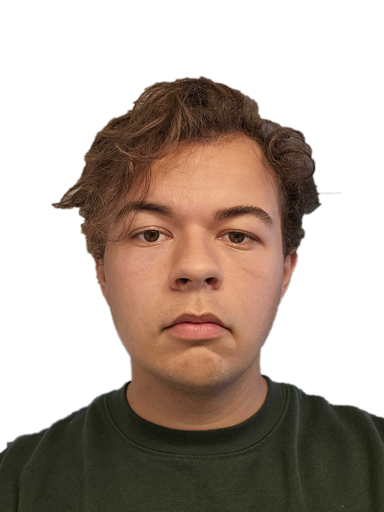
Jacob Titus
Head Goalie Scout
New to the scouting team this season, Jacob Titus was a monumental addition, quickly rising through the ranks. Originally hired as an Ontario U16 scout, his passion for goalies quickly became our secret weapon to building a legitimate goalie scouting staff at Elite Prospects. After overhauling our goalie scouting, he now leads a passionate group of goalie scouts as they attempt to debate, project, and master the most mysterious and inexplicable position of all.

Jimmy Hamrin
Sweden Regional Scout
A rink rat with a passion for scouting, Jimmy Hamrin is the Sweden Regional Scout for Elite Prospects. His work has appeared previously in McKeen’s, and he also contributes to HockeySverige. There’s no one more plugged into Swedish junior hockey, as he always has the latest news on top prospects and closely watches the region, always looking to find the next great Swedish NHLer, of which there could be many in this draft class.

Cam Robinson
Senior Crossover Scout & Senior Director, Hockey & Media Relations
Newly minted Senior Crossover Scout and Senior Director of Hockey & Media Relations, Cam Robinson, continues to crush the tape while representing Elite Prospects at major tournaments, leaving no stone unturned in his pursuit of inside information and player verification. A co-host of FloHockey’s Called Up podcast and the face of Elite Prospects on social media, Robinson is a strong hockey media presence. He’s also a father of three, a husband of one, and an avid reader.

Honza Zoufal
Central Europe Scout
With a full season under his belt, Honza Zoufal flourished as our Central Europe Regional Scout. It was a fantastic year of on-ice international competition for his home country, Czechia, but his passion remains high for all prospects in the region, and his knowledge shines through each game report he writes. When he’s not scouting, he’s networking, building relationships with top prospects and teams, getting the inside scoop on transfers, and making a name for himself in hockey media spaces.

Hadi Kalakeche
QMJHL Regional Scout
Hadi Kalakeche, our QMJHL Regional Scout, has been a key part in expanding our CHL coverage. When he’s not racking up viewings of draft-eligible prospects, he’s writing articles for EP Stories and closely tracking the development of Montréal Canadiens prospects. He can also be found scouting major events on the U16 circuit and leading our coverage for the QMJHL Draft.
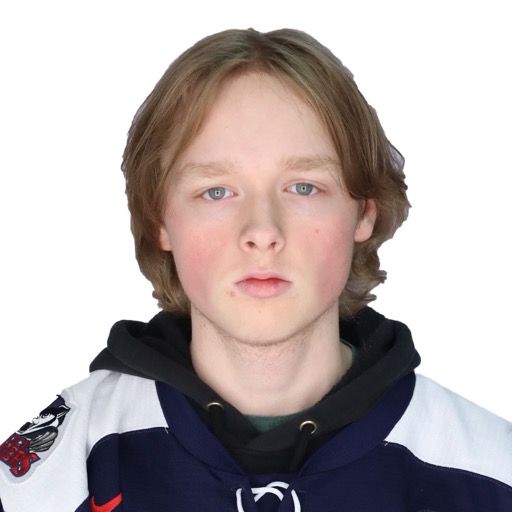
David Phillips
Goalie Scout
Joining our team as a Goalie Scout this season, David Phillips fell in love with the position after watching Kristers Gudļevskis at the 2014 Winter Olympics. He can often be found messaging our team about random, obscure Eastern European goalies in the middle of the night or working on his incredible spreadsheets tracking save percentage in Switzerland’s U16 leagues. Perhaps most impressively, in his 11 years of playing between the pipes, he’s never suffered a major injury.

Sebastian High
USA Regional Scout
USA Regional Scout Sebastian High continued to embrace his role this season, diving into the depths of North America’s most fascinating leagues this season, with a heavy focus on the NCAA. When he’s not scouting, he’s writing for EP Stories, co-hosting Locked On NHL Prospects, travelling the world, or hanging out with his cat in Montréal.

J.D. Burke
Crossover Scout
After a season and a half on injured reserve, J.D. Burke returned to Elite Prospects as a Crossover Scout, welcome news for our entire team. Burke is an established name in the amateur scouting community, with a decade of experience covering the NHL Draft and prospects in at least some capacity. That experience was put back to use upon his return, as evidenced by his reports that feature throughout this year’s guide.

Max Lee
Goalie Scout
A midseason addition to our ranks, Goalie Scout Max Lee once posted a perfect season between the pipes in Illinois high school hockey, and also holds the penalty minutes record for a goalie. We’re serious. When he’s not working as an engineer in medical devices or scouting netminders, you may find him hiking the rivers of Northern Minnesota or expanding his knowledge of geopolitics.

Madison Delaval
QMJHL Regional Scout
Madison Delaval puts the 'M' in Elite Prospects' QMJHL coverage as QMJHL Regional Scout, with a focus on prospects playing in the Maritimes. Based in Cape Breton, Nova Scotia, she comes to the team as a lifelong rink rat and self-proclaimed "junior hockey sicko" who honed her scouting skills under OHL and NHL tutelage, most notably with the Boston Bruins. Away from the game, she finds reprieve in long books, hyperpop, and her sweet-yet-spicy tortie cat.

Liam Crouse
Goalie Scout
Rounding out our goaltending staff, Fredericton, New Brunswick native Liam “Ace” Crouse has done video coaching work for both Hockey New Brunswick and the University of New Brunswick’s women’s hockey team. He was once on track to become an MJAHL goaltender, had injuries not forced him into an early retirement. When he’s not scouting goaltenders across the world, he can be found creating content for his YouTube channel, Crease Analysis. He’s an integral part of our team, but we wouldn’t trust him with a metal water bottle.

Matthew Burns
OHL Regional Scout
Initially brought on to fill out the Ontario youth scouting team, Matthew Burns added the OHL to his OMHA West U16 and USA 15U scouting responsibilities in the spring, racking up reports at an impressive rate. Originally from Milton but now based out of St. Catharines, he grew up playing hockey and now spends his days studying the game nonstop to hone his craft. When he’s not scouting or playing hockey, he can be found playing keep-ups with his wife or competing in pickleball.

Robert Chalmers
New England Regional Scout
California-born, Boston-raised Robert Chalmers was a fantastic addition to our staff, boasting a wealth of knowledge and passion for all things New England hockey and railroads. Always down for a good road trip, he can often be found in a different arena every weekend watching top Prep schools within driving distance, while also getting views on the top Hockey East players nearby. He attributes much of his success so far to his service dog, Cohen, who is the best boy and will be enjoying a much-deserved retirement soon.

Sean Shapiro
Goalie Scout & Senior Writer and Communications Specialist
Sean Shapiro is a Michigan-based reporter and writer with over a decade of experience covering hockey, including the past four years at EP Stories. Throughout his career, he has maintained a strong emphasis on prospect coverage, beginning in 2012 as an AHL beat writer. He has since expanded his involvement in the scouting arena at Elite Prospects. He plays a big role in connecting Elite Prospects with players and programs for the draft guide, particularly in the NCAA, NTDP, and CHL spaces. He also contributes game reports, with an emphasis on goalies.

Russ Cohen
USA Regional Scout
Russ Cohen, USA regional scout for Elite Prospects, covers the professional and NCAA ranks, as well as being an accomplished writer for Sportsology and a radio host for the Sportsology Radio Network. He covers the New York Rangers and Philadelphia Flyers on the NHL side, too. He’s a frequent contributor to EP Stories, with a focus on telling the stories of top prospects.
A ranking without an explanation is just a list of names.
We’ve debated these prospects time and again this season. We know their games inside and out, as well as why we ranked them where we did. Now, we’re going to share the story of building our draft board with you here.
The process itself is messy; a fun, exhausting, and challenging affair with lots of literal ups and downs.
Before you dive in, I should add that if you’re not familiar with the top players in our first round, then it’s probably best that you read through the guide first and come back to this section. All of the stats, NHL comparisons, skill descriptions, game reports, and tracked data we refer to in our explanations can also be found in each player’s profile.
Unlike NHL teams, we are not drafting any of these players. We lack any sort of control over their future. They won’t be integrated into our system, and we don’t have a development team to help them realize their potential. In turn, we don’t have needs or specific strategies. We have to consider every potential outcome and scenario, look at all of these prospects from different angles, and rank them based on overall perceived value, no matter the profile.
Many of our assumptions about the 2026 NHL Draft class coming into the season turned out to be incorrect.
Last season, we identified many toolsy prospects like Tynan Lawrence, Ethan Belchetz, Oliver Suvanto, and others who we believed would build on and leverage their asset base, becoming higher-end play-drivers and firmly establishing themselves as top-end prospects in their NHL draft year. For most of these players, this scenario never materialized. Instead, they fell short of our projections, forcing us to adjust their positions on our board.
Gavin McKenna plateaued, too. While many of the flaws that showed up in the first half of his freshman season were there in the WHL, we anticipated he would correct some of them and evolve into a more complete player in the NCAA. Unfortunately, he remained largely the same player in a new environment, and it took him more than several weeks to reestablish all his WHL strengths in college.
It’s not uncommon for players to need some time to adjust to college hockey, and it will become even more common now. We eventually saw Lawrence and Oscar Hemming go through their own adjustment periods in college, only looking like their best selves for brief stretches of games.
McKenna is not your typical prospect, though. We expected him to squash his competition, and instead, the No. 1 overall spot remained up for grabs for most of the season.
Two candidates emerged to take McKenna’s spot: Ivar Stenberg and Chase Reid.
The first put together one of the most impressive SHL seasons ever for a draft-eligible prospect. The second had one of the steepest growth curves over the past few seasons, going from being cut from the USHL to a No. 1 OHL defenceman.
McKenna briefly lost his spot to Stenberg on our post-World Juniors board. At the time, the Penn State forward’s lack of pace, motor, and physicality made it too difficult for our staff to keep him at first overall after Stenberg all but eliminated the gap between them at that point in the season.
Stenberg can make many of the same plays as McKenna. He proved it against tougher competition, with a more well-rounded game, a much better ability to create off contact, better defensive habits, and more energy. Even at the time, the upside argument remained clearly in McKenna’s favour as a potential 100-point player, but the risk attached to his projection tanked his value.
Upside isn’t the only thing that we take into account when we’re making our board. It’s the main factor, the one that explains most of our positions, but certainty also plays a large role. It refers to the probability that a prospect will reach their upside, that they will be able to play their projected style of game in the NHL. We were more certain that Stenberg could do that than McKenna. Factoring in both upside and certainty, Stenberg looked like a slightly more valuable prospect than McKenna at the time. So, we flipped them.
Immediately, the dam broke. All of the pucks that should have gone in for McKenna in the first half went in in the second half. Chemistry developed between him and his linemates, his luck turned, and his production skyrocketed. Suddenly, we regretted not holding on for a few more weeks.
That’s what happens sometimes when making draft boards. You move on from a take for only a moment, and the universe immediately course-corrects.
What reassured our team more than the surge in scoring was that McKenna was back to his old self in some of our viewings. He stayed more connected to his teammates, found them across layers better, manipulated defences with more ease, and most of all, played with more pace. His more streamlined shifts, where he would pressure the opposition, backcheck to the right spots, and make not just the most dangerous play, but the correct one, made him more projectable.
The certainty argument was no longer fully in Stenberg’s favour, and our formula pushed McKenna back ahead.
We discussed pushing Reid to No. 1 on a few occasions and even wrote an article about the possibility in December, but that never materialized. While his upside, in a vacuum, may be even greater than McKenna’s – a true No. 1 defenceman possessing all of the skills of the trade – the certainty argument played in favour of the two wingers.
It’s easier to imagine McKenna and Stenberg living up to their potential in multiple different environments than Reid. Defencemen’s overall impact and growth curve seems tied more to their NHL team than the typical forward, making their projection trickier, especially for defencemen who lean more on their offensive skills like Reid.
Some defencemen emerge from the second and third rounds and land in perfect spots for their skill sets, going on to look like top-end NHLers, while other top-drafted defencemen don’t land in the right system and miss out on a prized No. 1 power play role and key minutes, diminishing their overall production and impact.
We firmly believe that Reid will become that top-pairing NHL defenceman, but fit may play a bigger role in his career than in McKenna’s or Stenberg’s, which gave them a slight edge.
Elite Prospects isn’t drafting for a team. We can’t outline players’ futures in our system and plan for them. Because of this, we have to value many different types of players equally and forecast how their careers may play out based on the environments they may find themselves in.
Carson Carels’ placement may have been one of the easiest decisions our team made this season. While he may lack the offensive upside of the three previously mentioned prospects, he still projects as a high-end play-driver, and there is also almost no role or fit consideration with Carels. Capable of playing multiple styles of game effectively, he should succeed no matter where he ends up, adapting to the demands of his team and moulding his game to it, becoming at least a high-minute, top-four defenceman.
We’ve already established that upside and certainty are the two main elements we value when making a draft board. To that, we added a player’s potential fit in specific NHL organizations. The next factors in line in our ranking formula are a player’s draft-year progression and their potential to continue to progress post-draft (developmental runway).
The stagnation of many of the class’ top prospects made its risers shine even more, bright stars in an otherwise dreary landscape. Caleb Malhotra, Wyatt Cullen, and, to a lesser extent, Daxon Rudolph all ended up vaulting to the forefront of our draft boards due to significant development from their draft-minus-one to the end of their draft season. We ended up giving those players an extra boost at the very end, thinking there was a better chance they would continue their growth curve than others would restart theirs.
The same argument used to push McKenna and Stenberg ahead of Reid also fits here. We believe Malhotra and Cullen could play their style of game in more distinct environments than Rudolph could. Rudolph is an even more stereotyped version of Reid, leaning almost fully on the offensive side with underdeveloped defensive skills. Despite possessing high upside, if he can’t get that first power play role and favourable, offensive deployment with his NHL team’s top line, he may become more frustrating than useful to a coach.
Other factors separated Malhotra and Cullen. We do give a slight edge in value to centres over wingers, but likely not as much as NHL teams, preferring to differentiate players based on their straight skills and impact – if the upside, certainty, and other factors discussed previously aren’t already pulling a player ahead.
While Cullen possesses a higher level of pure skill, can dance around defenders better off the rush, and orchestrate offensive zone play with an extra level of creativity than Malhotra, there is a large gap between their ability to play off contact and defend. Malhotra clearly wins in those categories, projecting as a two-way centre with power forward elements.
His profile is similar to Carels’ in many ways, but the defenceman’s tools gave him the edge. There is a large skating gap between these two prospects. Carels has more of the asset requirements of a high-minute, top-pairing NHL defenceman than Malhotra, who must refine his stride to push his upside and fill a potential top-line role. We project him more as a second-line pivot at the moment.
There is no prospect we debated more than the one we ranked eighth overall, Viggo Björck, a situation that may mirror what’s currently happening in many NHL rooms. Outliers put stress on a scouting process built to find high-probability takes, as they should.
Teams have to be able to recognize those players and integrate them into that process or risk looking very foolish. If we held the 22nd overall line on Björck from our early-season ranking, we would run the risk of that happening. Instead, we’ve placed Björck at eighth, a position that better reflects his upside and the lack of certainty associated with his projection.
Our North American and European staff disagreed on the value and the projection of the 5-foot-9 forward. One side saw him as an even rarer outlier, a shorter Brayden Point, projecting a higher-end skill level and elite hockey sense, while the other compared him more to Marco Rossi, a sturdy, skilled, but mostly supportive centre.
Both players earned top-six centre roles in the NHL. The first one maintained his first-line spot, becoming a top-end centre, while the other one was perceived as an ill-fit in his first organization, demoted in the playoffs, and ultimately traded away, despite functioning well as the team’s top centre.
We compromised by giving Björck a middle-ground projection between these two outcomes, while keeping his outlier status and the lower likelihood of achieving such an upside in mind.
Comparables take up more and more space in our discussions every year. After accumulating thousands of views on NHL prospects over seven years, we’ve seen enough examples of each archetype to project which ones became NHLers at a higher rate and what kinds of roles they played.
A player with multiple comparables is more likely to succeed, while a unique profile is usually a bad omen.
When evaluating outliers like Björck, we also spend time discussing how the league perceives them and the opportunities they may or may not get.
Our role is to forecast players’ careers, rather than just project them. To do a good job of that, we have to think like NHL organizations. Just because we believe a player should be given certain spots in the lineup doesn’t mean that teams will see it in the same way. And because players can only succeed if they’re allowed to play in the role that suits them, we have to predict if they will get that chance.
A higher skill level and the outside chance at a top centre role had Björck edge out his countryman, Malte Gustafsson, on our board. The room was again split down the middle with those two; others valued Gustafsson’s top-four projection, a higher level of certainty, multiple comparables, and just as steep a development curve during the season.
Ethan Belchetz ended up slipping between them and slotting in at ninth overall as the debates raged on, with the same arguments that kept Björck ahead of Gustafsson. There’s a higher level of special upside in his game, a more unique and valuable profile.
There are very few 6-foot-5 forwards with Belchetz’s attributes: Physical potential, high-level playmaking and scoring touch, and a defensive mind. NHL teams tend to pay a premium for those players in trades, draft capital, and cap space due to their rarity.
But while Belchetz’s upside pushed him ahead of Gustafsson, too many factors favoured Björck, the main one being his riser profile. Belchetz mostly showed the same strengths as in his draft-minus-one this season, while Björck continued to add to his game, improving his speed, physicality, and earning roles that are rarely, if ever, given to players of his age and size. Our European staff also trusted him to become a top-six NHLer more than our North American staff trusted Belchetz to become the same.
In the end, Björck, Belchetz, and Gustafsson closed out our top 10.
When ranking prospects, the asset that we value the most is hockey sense. It makes prospects more adaptable and flexible, more capable of playing different roles and excelling in situations that best suit their attributes.
In other words, hockey sense influences all of the factors that we value when making our board, especially upside and certainty.
With Keaton Verhoeff and Alberts Šmits both having that deficiency in their profile, it was the main reason why they ended up falling outside of our top 10, after spending parts of the season inside it. While they both have the stature necessary to become top-four defenders in the NHL, they struggle to make reads under pressure, to break out pucks in controlled ways, and drive the play without causing turnovers.
The second attribute that we value the most – especially for defencemen – is skating. The highly mobile Šmits ranks one spot ahead of Verhoeff for this reason. His skating base makes it easier for him to close on opponents, access passing lanes, carry the puck, and recover his positioning after mistakes. It also gives him an easier path to a high-minute top-four role. Verhoeff could also take on a similar role down the line, given his physicality, massive frame, and flashes of playmaking ability, but to get there, he will need to improve his pivoting and overall agility.
After holding onto sixth overall for three consecutive boards, Xavier Villeneuve’s position became untenable with the way he ended his season. He lost part of his offensive effectiveness, his identity, and the top power play spot that defined him; as a result, he dropped to 13th overall.
Villeneuve has both the hockey sense and the skating ability. We believe in his upside, especially now that he will follow Lane Hutson’s path to Boston University. That said, belief could only keep him so far up our board, given his lower certainty, outlier profile, lack of game development, and the possibility that he may require a perfect organizational fit to reach that upside.
The first thirteen prospects on our board all have special attributes. They form the core of this draft class and could all emerge as difference-makers at the NHL level with another boom in their development. While the first four have the best combination of upside and certainty, we could easily find arguments to rank the remaining in any order.
The next prospect in our ranking is one of our favourites in the draft class.
We were tempted to push Adam Novotný into our top 10 a few times this season, after seeing him take over OHL games. But at the NHL level, we see him more as a complementary scorer, a secondary play-driver with a high defensive impact. It’s the same for Ryan Lin and Tynan Lawrence. They all play mature, physical games, with some holes, but plenty of skill. As Novotný has the highest chance of reaching a top role, his upside pushed him ahead of the other two.
Continuing our skilled, complementary players tier are Maddox Dagenais, Oscar Hemming, and Alexander Command.
The first two are versions of the same power forward archetype. Dagenais plays a more eventful, pacey game, with more flashes of physicality, scoring, and playmaking. Hemming managed the game better, showing more tactical and play-building ability in a much tougher league. His shortened season and drop in performance in the last weeks of it had us favour Dagenais. The Québec Remparts forward had one of the steepest development curves this season, going from a low-motor forward, waiting for the game to come to him, to one of the most driven forecheckers in the class. It’s a highly encouraging improvement that suggests he may be in the middle of a breakout.
Command’s profile is closely aligned with Lawrence’s. Both players flashed playmaking and transition skills, but it’s their physicality, defensive support, and motor that received the highest marks during the season. Command’s tools can’t quite compete with Lawrence’s, Dagenais’, or Hemming’s, but he may end up providing just as much value at the NHL level if he reaches his upside.
What separates these players from the rest of our first round is the higher level of confidence that we have in their projection and upside. They have NHL profiles and more than a few comparables.
The factors used to rank the prospects from 1 to 19 continue to shape the rest of our ranking, with upside playing the largest role. But our hard-line philosophies soften the deeper we go into the board. We start valuing scouts’ preferences and beliefs in players more, and we compare prospects less on their potential future impact and more on their raw tools. Background information about a prospect’s work ethic and desire to improve also becomes increasingly important.
A good example of this is the placement of Ilia Morozov and Oliver Suvanto in our top-32, two prospects with very similar profiles. One sits 21st and the other at 28th overall. This difference in placement reflects their growth curve and the development runway we think they have left, but mostly, it shows that our North American scouts believed in Morozov more than the European scouts did in Suvanto. It’s the same faith gap that pushed Elton Hermansson one spot ahead of Yegor Shilov.
We hope that this ‘Making of the Draft Board’ article sheds light on our ranking process and that, by reading this explainer and the rest of the guide, the thousands of hours we put into this project shine through. As with every draft guide, we promise to come back next year with an even more refined product, as we learn from our methods, mistakes, and, hopefully, our many hits.
Grades are a short-form, accessible way to convey complex information. Not everything will be covered appropriately by them!
Our grades aren’t for where the player is now, though that’s a major component. Instead, they are a projection of how each individual tool will stack up in the professional ranks.
The midpoint, 5, represents a confident NHL-calibre projection for that grade, albeit on the lower end of the lineup. Each successive step moves up the lineup:
Adaptability: Mental flexibility; the ability to find another play when one closes.
Advantage creation: Plays made with the intention of maximizing the next player’s time, space, and options, usually through drawing pressure before passing.
Angling: The ability to hold the middle of the rink and push opponents to the outside, usually by winning the inside.
Anticipation: The ability to fill in the gaps of perception based on knowledge, experience, and structure.
Awareness/Scanning: How often, when, and where a player scans the ice.
Body positioning: A player’s ability to put their body between the puck and an opponent, often by cutting through the opponent’s hands.
Change-of-pace/delay game: Ability to attack at varied speeds, usually combining skating and handling skill. A delay game sees the puck carrier regularly cut back off the rush to gain access to the back layers of the attack.
Details: Catch-all term to describe a myriad of subtle skills, including, but not limited to: Stick placement, poke check ability, first touch plays on the forecheck, net-front skills, faceoffs, angling, and gap control.
Gap control: The management of distance between the defender and attacker; though not exclusively, tighter is usually better.
High cycle: Modern offensive strategy where carriers cycle along the half wall, instead of behind the net, to create time, space, and opportunities to get inside.
Manipulation: The use of movement, puck positioning, passing, and deception to move defenders away from the player’s desired space or lane.
Mechanical ability: The combination of skating and handling ability; the ability to stack weight, move freely, and make movements with opposing momentum.
Off-puck offence: The movement a player makes into pockets of space to support the offence or to become a scoring threat.
Off-puck defence: How a player defends away from the puck, including net-front defence, gap control to deny passes, and rotations.
Pace: Divided into mental and physical. Mental is the speed at which a player makes reads and executes. Physical is the consistency of feet moving: Keeping feet moving through open space, receptions, and while stickhandling.
Proactive contact: The ability to initiate contact before the opponent, usually before touching the puck on a retrieval; the player who initiates first has a much higher percentage of winning the ensuing battle.
Processing: The speed at which a player picks up on the details of a play, including the speed, direction, momentum, and more of teammates and opponents.
Puck acquisition: A player’s ability to get the puck, broken into two categories: Supporting plays to get pucks through passes and winning pucks in battles. The latter becomes increasingly important the higher the level of competition.
Surfing: A rush defence strategy that sees the defender pivot early to skate forwards and skate across using shuffle steps, closing the distance while keeping their stick in the middle. Commonly used among USA Hockey defenders and off neutral zone turnovers to re-gap.
Tactical awareness: A player’s ability to play within their team’s structure at even-strength and on special teams; a high level of tactical awareness leads to more predictability for teammates and better play outcomes since decisions can be made faster.
Timing: The ability to organize movements to be in position to make the next play at the right time.
Weight shift: The ability to stack weight over a single leg and push off, leading to more explosion and separation.
 Toolsy
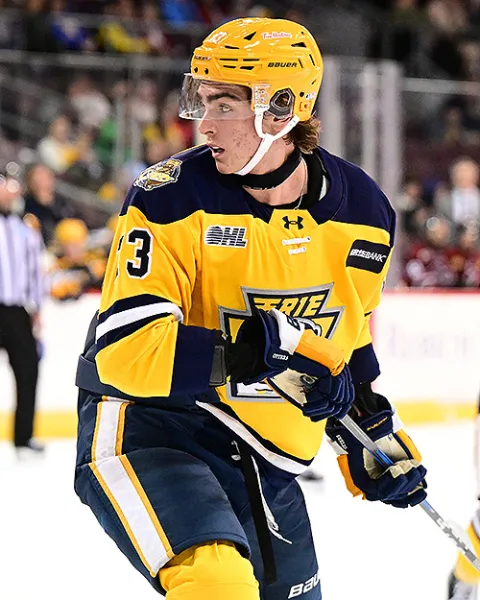 Toolsy
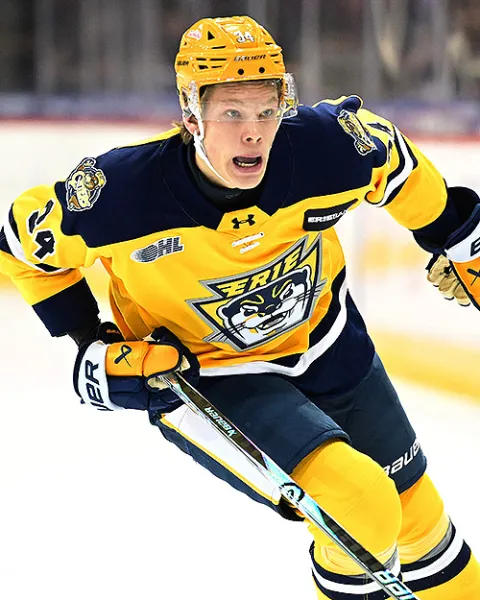
 Fleet of foot
 Transition ace
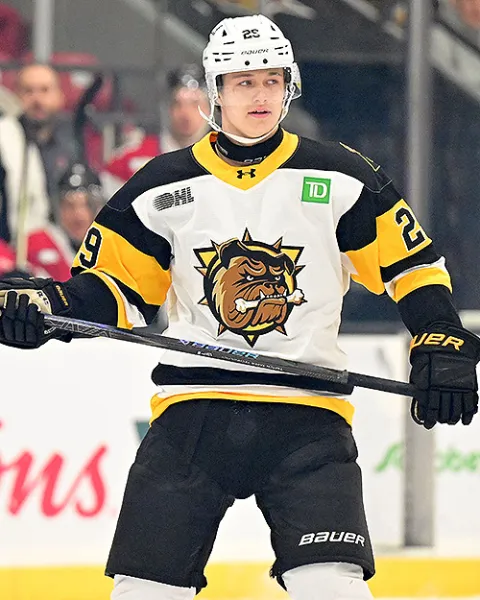 Fleet of footTransition aceFleet of foot
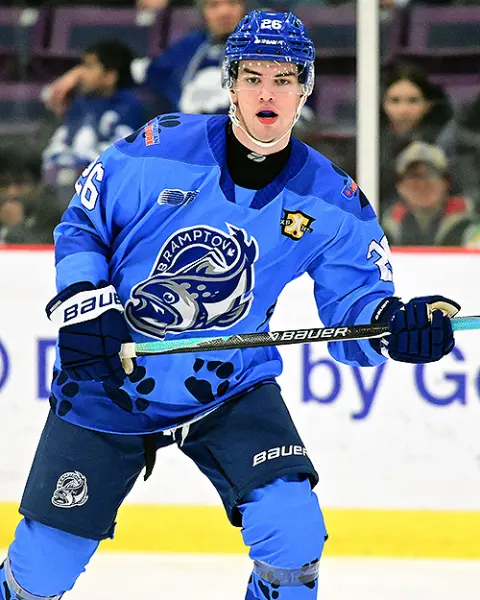 Fleet of foot
 Motor
 Motor
 Explosive
 Precise
 Chess master
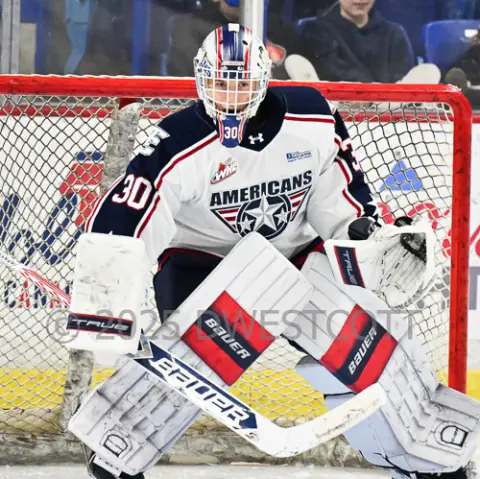 ExplosivePreciseChess master
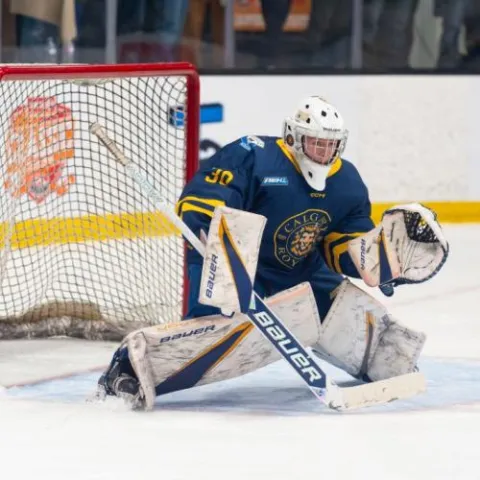 Motor
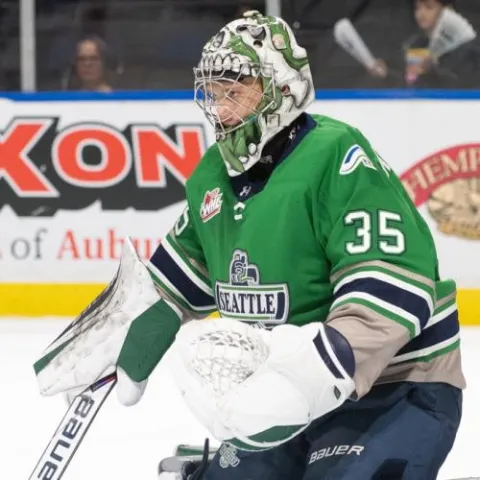 Motor
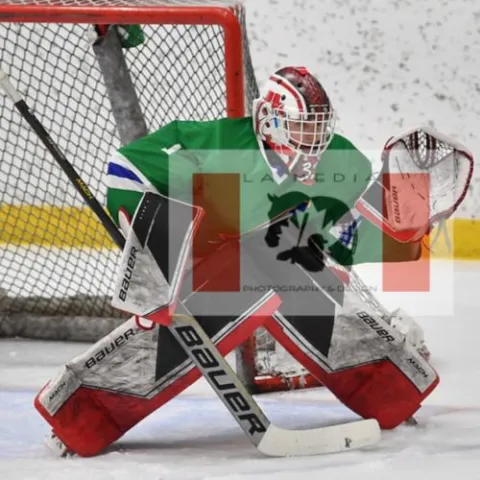
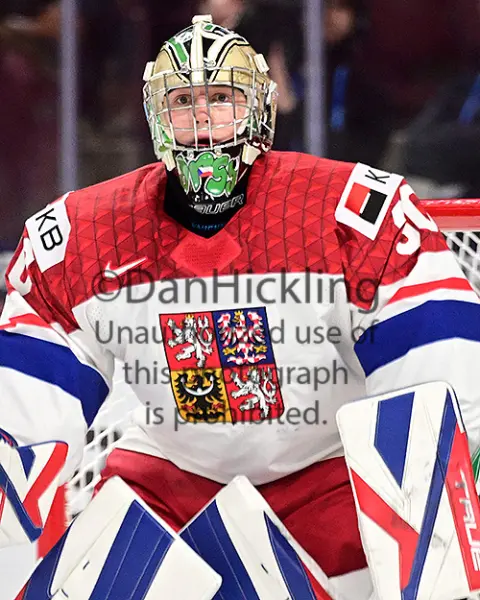 Precise
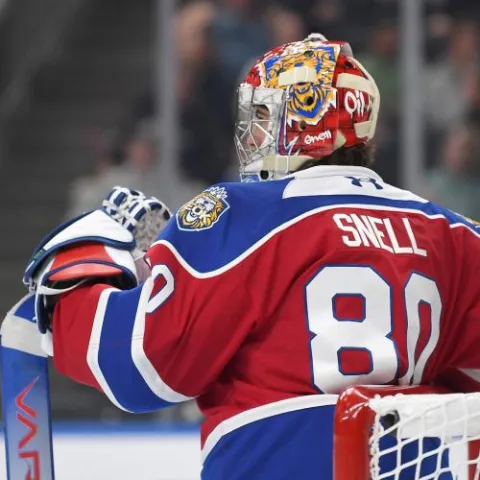 Precise
 Got that dog in him
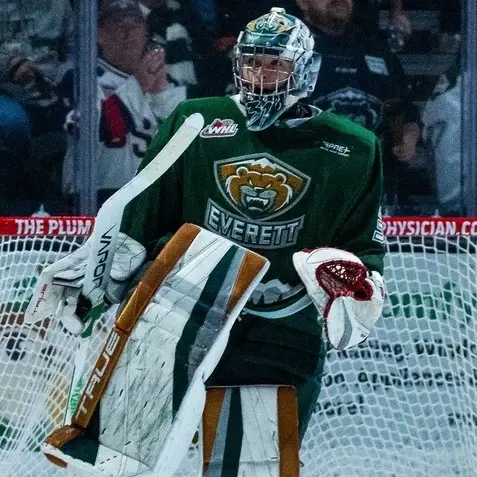 Got that dog in him
 Vacuum
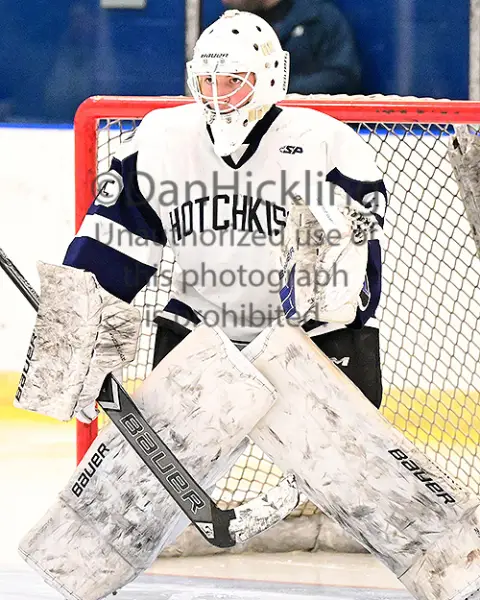 Vacuum
 Contortionist
 Airtight
 Raw
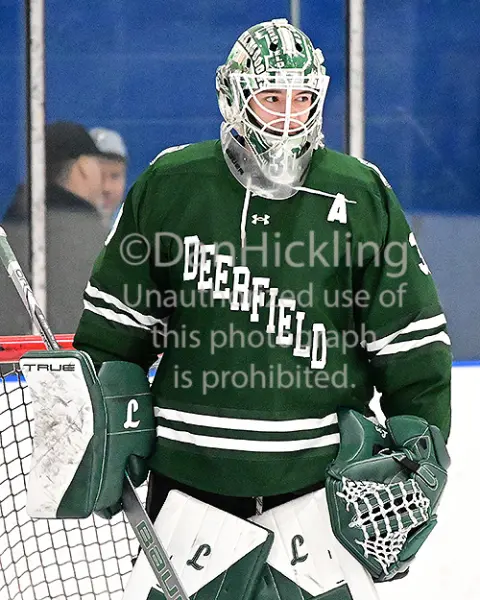 ContortionistAirtightRaw
 GymnastRaw
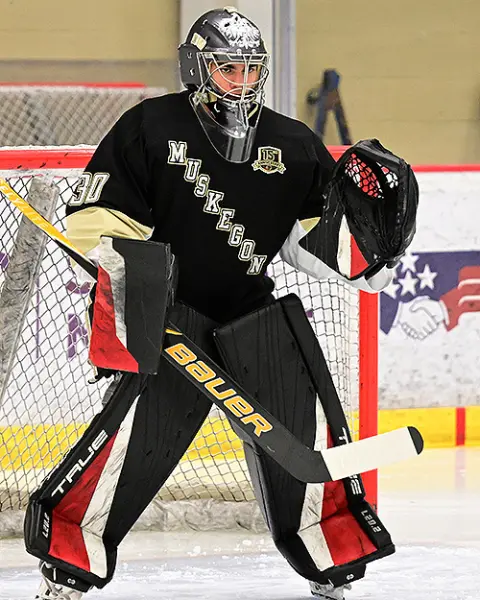 GymnastRaw
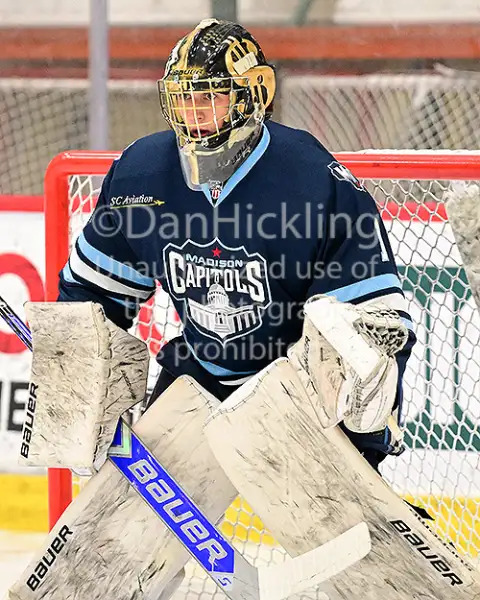 Chess master
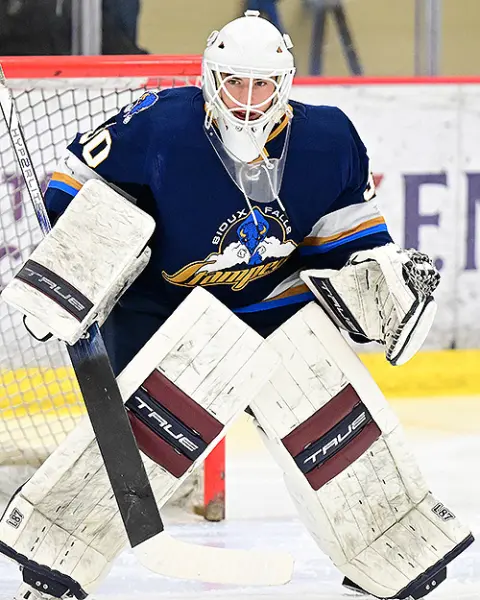 Chess master
 BrainGymnast
 BrainGymnastChess master
 Chess master
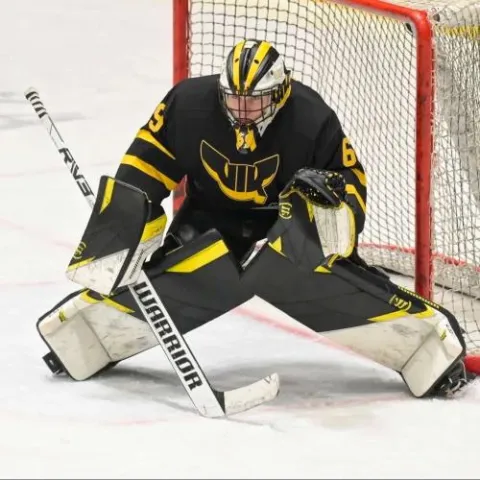 Gymnast
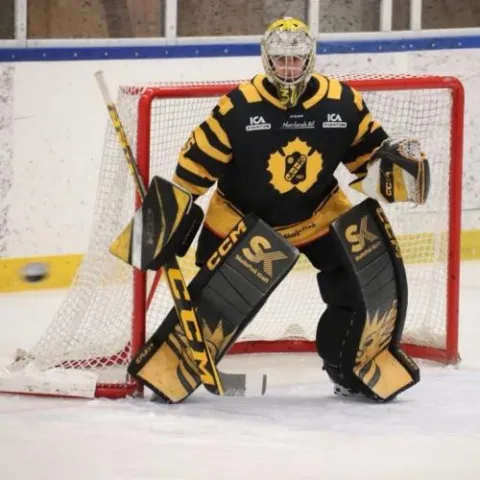 GymnastRawExplosive
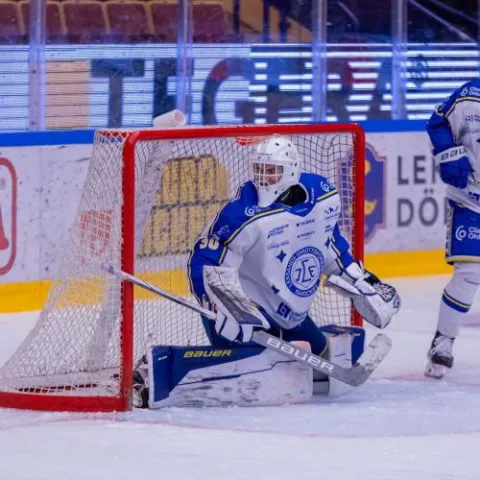 RawExplosive
 ZenPrecise
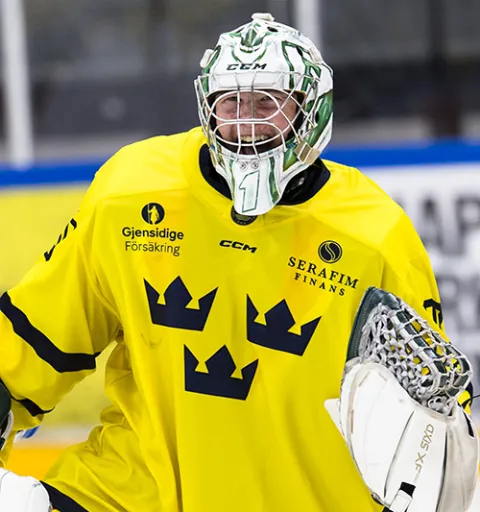 ZenPreciseChess master
 Chess master
 Efficient
 EfficientAirtight
 Airtight
 Explosive
 Explosive

 ContortionistRaw
 ContortionistRawGymnast
 GymnastPrecise
 Precise
 Vacuum
 VacuumGot that dog in him
 Got that dog in him